



Visa-free sounds like it should describe one simple thing, but it quietly covers several different arrangements.
Confusing them is exactly how travellers end up stuck at check-in with a ticket in hand and the wrong paperwork.
A waiver removing the need to apply for a visa in advance never means travelling with nothing else in order.
A valid passport is always required, and depending on the destination, so is proof that a traveller can support themselves, evidence that they intend to leave again, or in some cases a fast and free online registration completed before departure.
The clearest example of a genuine, no-extra-step waiver is the ECOWAS Protocol on Free Movement of Persons, an agreement Ghana signed alongside fourteen other West African states in Dakar in May 1979 and ratified the following year.
Under it, a Ghanaian can enter Nigeria, Senegal or Togo carrying nothing more than a passport and, in principle, a valid health certificate.
No application, no queue at an embassy, no fee changes hands.
Not every visa-free country on Ghana’s wider list works quite that simply, and the categories hiding behind that one phrase are worth separating out properly.
Here is a complete breakdown.
Visa-Free vs. Visa-on-Arrival vs. eVisa or ETA
These three terms are often used interchangeably, despite describing genuinely different processes.
A true visa waiver, the kind Ghana enjoys with Kenya or through its ECOWAS membership, requires nothing beyond the passport itself and whatever supporting proof a border officer might ask for on the day.
Visa-on-arrival works differently: a fee changes hands and an actual visa gets stamped into the passport at the border, but only once the traveller has already landed, with no application submitted in advance.
An Electronic Travel Authorization, often shortened to eTA, sits somewhere between the two.
It is applied for and approved online before departure, typically within a day or two, and although it is lighter and faster than a conventional visa application, it remains a required step that cannot be skipped simply because no embassy visit is involved.
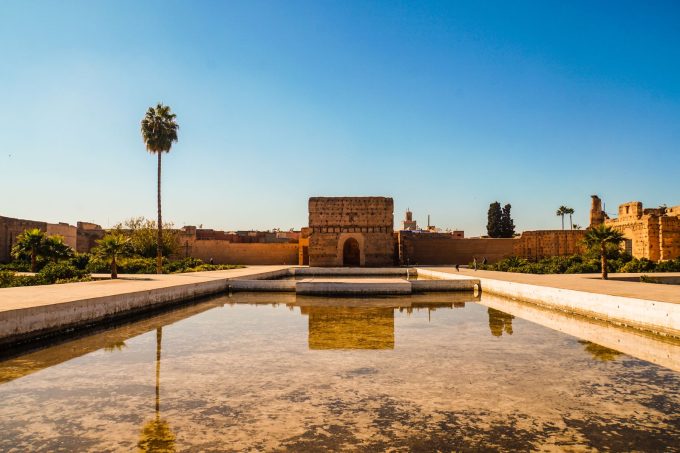
Morocco’s arrangement with Ghana, run through the access-maroc.ma portal, works exactly this way.
Here is the full guide to Morocco’s ETA requirement and how it works for Ghanaian travellers: Do Ghanaians Need a Visa for Morocco? (2026 ETA Guide)
What Visa-Free Does Not Cover
A waiver clears the path for tourism and short business visits, nothing more.
Working or studying in a country still requires the specific permit that activity calls for, even somewhere Ghanaians can enter without a visa at all.
Overstaying the period a waiver allows carries the same consequences as overstaying an actual visa would, since immigration authorities rarely distinguish between the two once someone has stayed too long.
A waiver never guarantees entry outright.
It removes the requirement to apply in advance, but the immigration officer standing at the border retains full discretion to refuse entry on the day, waiver or not.
What Travellers Still Need to Carry
Every visa-free trip still calls for a passport valid well beyond the length of the stay, commonly by six months though this varies by destination.
Proof of onward or return travel is something most border officials will also ask to see.
Some countries add a further requirement to demonstrate sufficient funds or confirmed accommodation before letting a visitor through, particularly where the stated purpose of the visit sounds vague or the traveller’s paperwork raises any questions.
Ordinary, Service and Diplomatic Passports: A Quick Primer
Underneath all of this sits a further complication specific to how Ghana itself issues passports.
Three types exist: Ordinary, held by virtually every citizen; Service, issued to civil servants travelling on official government business; and Diplomatic, reserved for accredited diplomats and senior state officials.
A country’s waiver frequently applies to only one or two of the three, so the specific passport type must be checked before assuming a country is visa-free for Ghana.
Here is the full 2026 breakdown across all three passport categories: Top 62 Visa-Free Countries for Ghanaians in 2026
Frequently Asked Questions
Can a visa-free country still refuse entry?
Yes.
A waiver removes the requirement to apply in advance, but the immigration officer at the border still has discretion to refuse entry, particularly if a traveller cannot show a return ticket, sufficient funds, or a clear reason for the visit.
Does visa-free mean a passport isn’t needed?
No.
A valid passport is required for every international trip regardless of visa status.
Visa-free only removes the need to apply for a visa in advance.
What’s the real difference between visa-on-arrival and an eTA?
Visa-on-arrival is issued at the border itself once a traveller lands.
An eTA is approved online before travel, usually within a day or two, so clearance is already in hand before boarding.
Can someone work in a country they entered visa-free?
Generally no.
Visa-free entry is almost always limited to tourism or short business visits.
Working requires a separate work permit or visa, even in a country that required no visa just to enter.
How long can a traveller stay in a visa-free country?
It varies by country and is stated in each agreement, commonly 30 or 90 days.
Checking the specific country’s terms before travel is safer than assuming a standard length applies everywhere.
This article is for general information only and is not legal or immigration advice. Always confirm current requirements with the Ghana Ministry of Foreign Affairs or the relevant country’s embassy before you travel. See our Disclaimer page for more.





1 Comment